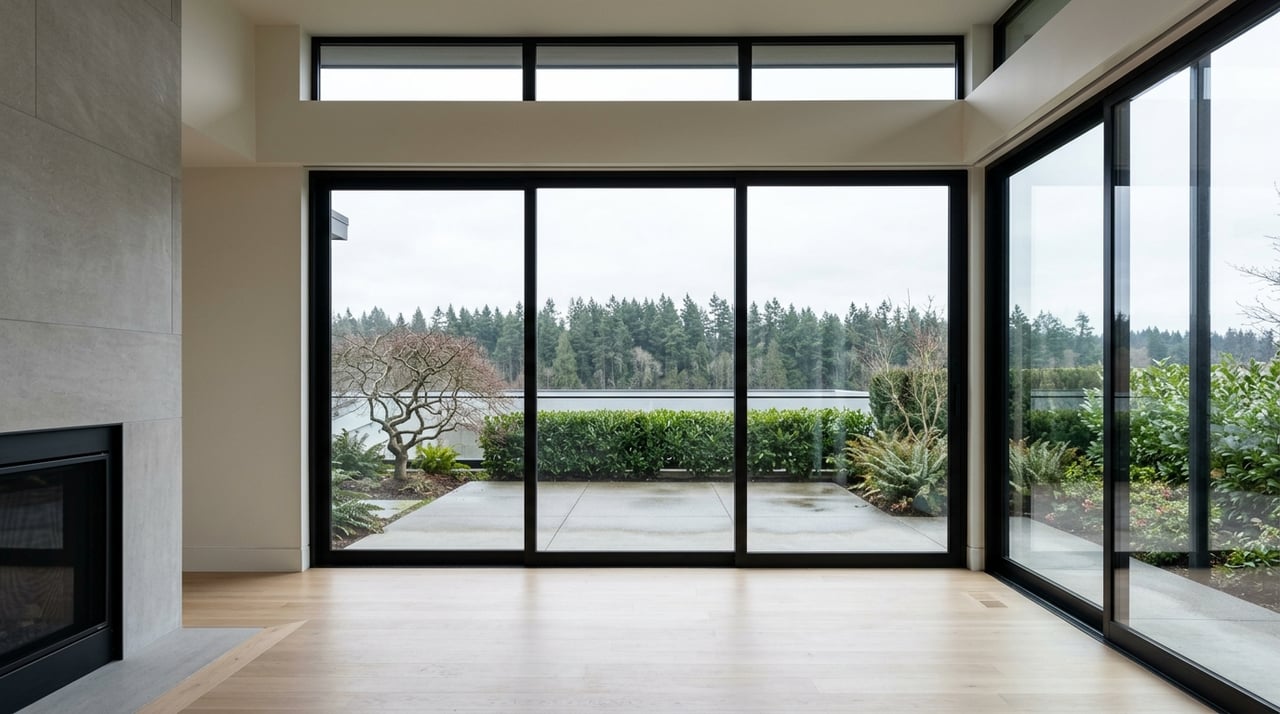
What makes one Clyde Hill view home command a major premium while another sells for far less? In this market, the answer usually goes beyond square footage or a simple “has a view” label. If you are buying, selling, or planning a renovation in Clyde Hill, it helps to understand how view quality, privacy, lot usability, and local rules work together to shape value. Let’s take a closer look.
Why view differences matter in Clyde Hill
Clyde Hill is a small, high-value market where each sale can stand out. Over the three months ending in May 2026, Redfin reported a median sale price of $6.5 million, a median sale price per square foot of $987, an average of 18 days on market, and only 3 homes sold in May. Realtor.com also showed 18 homes for sale with a median listing price of $6.81 million.
In a market with this little turnover, small differences can have a big pricing impact. A wider view, better privacy, or a more usable lot can move value more here than in a larger market with more frequent sales. That is why buyers and sellers in Clyde Hill need to look past the headline features.
How Clyde Hill defines a view
Clyde Hill’s code defines a view broadly. It can include Lake Washington, bridges, skylines, landmarks, the Cascade or Olympic Mountains, nearby communities, and surrounding hills.
Just as important, the city ties that view to what is seen from a home’s living and entertainment areas. In other words, a view usually carries more weight when it is part of your everyday experience, not when it is limited to a secondary room or a small corner of the property.
The city also states that it does not guarantee a completely unobstructed view or sunlight. Its rules frame views, sunlight, privacy, and property use as interests that must be balanced. That point matters because it shapes how buyers should think about “view permanence.”
View corridor quality drives premiums
In Clyde Hill, the best view homes usually offer more than elevation alone. They tend to have a broader, cleaner, and harder-to-interrupt view corridor from the rooms that matter most.
That often means the main living room, kitchen, family room, and primary entertaining spaces capture the outlook directly. A dramatic sightline from a picture window in the main living area will usually matter more than a partial glimpse from an upstairs bedroom.
Public sales show this pattern. The home at 2518 88th Ave NE sold for $4.9 million in November 2024, or about $1,153 per square foot, and was described as having panoramic Seattle, Lake Washington, and mountain views. By contrast, 2406 88th Ave NE sold for $3.5 million in January 2024, or about $673 per square foot, with the public record listing the view simply as city.
That does not mean the view alone explains the whole gap. Home condition, lot characteristics, and design all matter too. Still, the sales suggest that broader and more layered views often support stronger pricing.
View permanence matters more than many buyers expect
A great view today is not always a guaranteed view tomorrow. Clyde Hill’s code is clear that there is no right to a totally unobstructed view or sunlight.
That means a buyer should treat permanence as a property-specific question. You want to understand whether the outlook depends on tree management, neighboring landscaping, or future changes on nearby lots.
The city’s citizen forestry guide adds another layer. It encourages neighbors to resolve view concerns directly with each other first, and it notes that plantings should be chosen with mature size in mind so they do not become future view problems.
For valuation, this creates a simple truth: a view that feels more durable is generally more valuable than one that feels vulnerable. When two homes appear similar at first glance, the one with the stronger long-term outlook may deserve the higher price.
Orientation and light shape daily livability
A view is not only about what you see. It is also about how the home feels throughout the day.
Clyde Hill’s forestry guide discusses how east, south, west, and north exposures receive different solar conditions. That affects brightness, warmth, glare, and how pleasant the main rooms feel during morning, afternoon, and evening hours.
For example, a beautiful skyline outlook may feel very different depending on whether the space gets strong afternoon sun or softer all-day light. Landscaping can also change this experience by reducing solar access or blocking sightlines if it is not planned with mature growth in mind.
In practice, orientation becomes part of the value story. Buyers are often paying for the full package: the view, the light, and how comfortably the house lives around both.
Privacy can rival the view itself
In Clyde Hill, privacy is often a major luxury feature in its own right. The city’s materials treat privacy as one of the competing interests that should be balanced alongside views and sunlight.
This helps explain why some homes with less dramatic views still achieve exceptional pricing. The sale at 1421 88th Ave NE is a good example. It sold in May 2026 for $8.65 million, or about $1,213 per square foot, and was described as a private, recently built estate with a large lot, fencing, gate, security cameras, and territorial views.
That sale suggests an important point for both buyers and sellers. In Clyde Hill, a home does not need a classic panoramic lake-and-skyline view to command a premium if it offers meaningful privacy, scale, newer construction, and strong overall livability.
Landscaping can add value or limit it
Mature landscaping often elevates a Clyde Hill property. It can create screening, quiet the street presence, and give an estate feel that buyers value.
At the same time, landscaping can also be the reason a view becomes partial over time. The city’s forestry guide describes selective pruning methods such as crown thinning and limbing up as ways to restore sightlines while helping maintain tree health.
For owners, this means landscape planning should support both privacy and view preservation. For buyers, it means looking beyond how the property shows today and considering how trees and plantings may affect light and sightlines in the future.
Lot usability affects hidden value
A large lot in Clyde Hill does not automatically translate into better value or easier redevelopment. The actual building envelope matters.
The city’s residential zoning rules include setback requirements, a 25-foot height cap from original grade, 30% structural coverage, and 60% impervious coverage. The same rules also note that a substantial remodel can trigger current zoning, drainage, and stormwater compliance.
For sloped or sensitive sites, the city’s critical-areas approach favors clustering structures, following the natural contour, using tiered foundations where practical, and preferring retaining walls over heavily graded artificial slopes. As a result, two lots with similar size on paper can offer very different design or renovation potential.
Renovation potential is not just a design question
Many Clyde Hill buyers look at a view home and immediately think about expansion, reconfiguration, or a major remodel. That can be smart, but the upside depends on more than taste and budget.
If a remodel improves flow and better captures the view from main living areas, it may enhance value significantly. But if the work triggers broader compliance requirements or compromises the existing view corridor, the economics can change quickly.
This is especially relevant in a market where layout matters so much. The strongest renovation opportunities are often the ones that improve daily usability while protecting the sightlines, light, and privacy that make the property special in the first place.
What recent sales suggest
While no two Clyde Hill homes are exact matches, recent public sales reveal a useful pattern. Stronger, broader, and more durable view packages often support higher price-per-square-foot results, especially when paired with renovation quality or privacy.
Here is a simplified look at a few sales:
| Property | Sale Price | Approx. $/SF | Publicly Described View |
|---|---|---|---|
| 9234 NE 25th St | $6.5M | $988 | Broad mountain, lake, and skyline views |
| 2518 88th Ave NE | $4.9M | $1,153 | Panoramic Seattle, Lake Washington, and mountain views |
| 2401 94th Ave NE | $3.725M | $1,021 | Partial lake and mountain views |
| 2406 88th Ave NE | $3.5M | $673 | City view |
| 1421 88th Ave NE | $8.65M | $1,213 | Territorial views with notable privacy and newer construction |
The takeaway is not that every panoramic view home will outperform every non-panoramic one. It is that buyers in Clyde Hill appear to pay up for a better total package, and the view is often a central part of that package.
What buyers should focus on
If you are shopping for a Clyde Hill view home, try to evaluate the property the way the market does. A few questions can help:
- Is the view visible from the main living and entertaining spaces?
- Does the outlook feel broad and layered, or narrow and limited?
- How dependent is the view on tree trimming or neighboring conditions?
- Does the orientation support comfortable natural light?
- How much privacy do you have from nearby homes and streets?
- Is the lot truly usable if you plan to renovate or rebuild?
These questions can help you separate a home with lasting value from one that simply photographs well.
What sellers should keep in mind
If you own a Clyde Hill view home, the market may reward details that are easy to overlook. Buyers notice how the home frames the view, how private the property feels, and whether the landscaping enhances or limits the experience.
Thoughtful preparation can make a difference. That may include clarifying sightlines, presenting the main rooms to highlight the outlook, and understanding how lot constraints or remodel potential affect buyer perception.
In a thin, high-end market, strong pricing often comes from telling the right value story with precision. For a Clyde Hill view property, that story usually extends well beyond square footage.
If you are considering buying or selling a view home in Clyde Hill, working with a team that understands West Bellevue micro-markets can help you weigh the details that truly move value. Whittlesey Properties offers discreet, relationship-first guidance shaped by decades of Eastside experience.
FAQs
What drives value in Clyde Hill view homes most?
- The biggest factors are usually view breadth, view permanence, privacy, natural light, and whether the main living spaces actually capture the outlook.
Are views guaranteed for Clyde Hill homes?
- No. Clyde Hill states that there is no right to a completely unobstructed view or sunlight, so each property’s long-term view outlook should be evaluated carefully.
Do large Clyde Hill lots always have more value?
- Not necessarily. Setbacks, height limits, structural coverage, impervious coverage, slope conditions, and compliance triggers can all affect how usable a lot really is.
Can trees be managed to help preserve a Clyde Hill view?
- Yes. The city’s forestry guide discusses selective pruning methods and encourages neighbors to address view concerns directly with each other first.
Why do some Clyde Hill homes with lesser views still sell for top prices?
- Privacy, newer construction, lot scale, security features, and overall livability can support premium pricing even when the view is not a classic panoramic lake-and-skyline outlook.