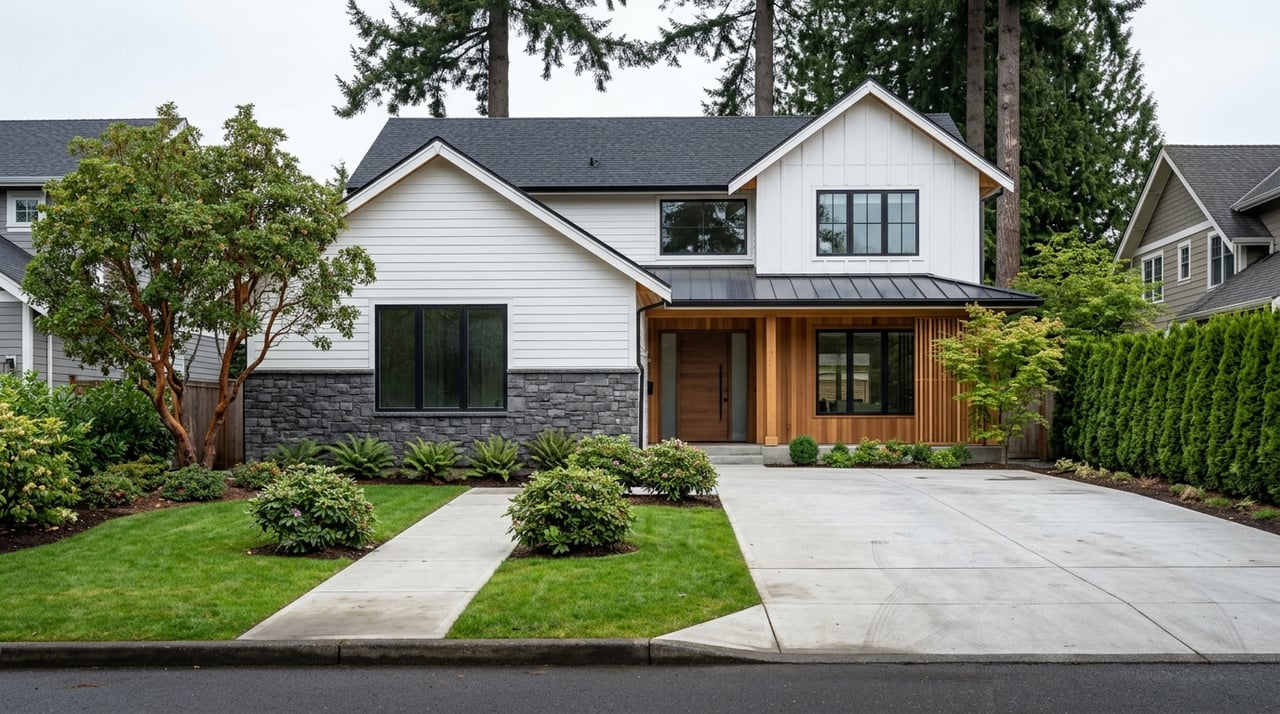
What makes a West Bellevue luxury home feel unmistakably right for its setting? Often, it is not just the price point, square footage, or finishes. It is the way the architecture responds to lake views, mature trees, daylight, privacy, and the established neighborhood character that defines this part of Bellevue. If you are buying, selling, or planning a remodel or rebuild, understanding the architectural styles that shape West Bellevue can help you see lasting value more clearly. Let’s dive in.
Why architecture matters in West Bellevue
West Bellevue is one of Bellevue’s most established and historic neighborhood areas. The city describes it as a place shaped by Lake Washington, Mercer Slough, and distinct neighborhood identities in areas like Enatai, Bellecrest, Surrey Downs, Killarney Circle, and Meydenbauer Point.
That context matters because homes here are rarely viewed as stand-alone objects. They are part of a wooded, waterfront, neighborhood-scaled environment where the built and natural setting work together.
Bellevue’s Southwest Bellevue plan also helps explain the local luxury market. The plan calls for preserving the area’s single-family character and wooded, rustic setting, while recognizing that modernization and expansion of single-family homes will continue.
That is one reason West Bellevue includes a mix of carefully updated older homes, custom new construction, and substantial rebuilds. The most successful properties usually balance modern living with a strong connection to site and neighborhood character.
Northwest contemporary leads the market
Among the styles seen in West Bellevue luxury homes, Northwest contemporary is one of the clearest regional fits. It is shaped by Pacific Northwest climate and landscape, with an emphasis on simplicity, comfort, natural light, and a close relationship to the outdoors.
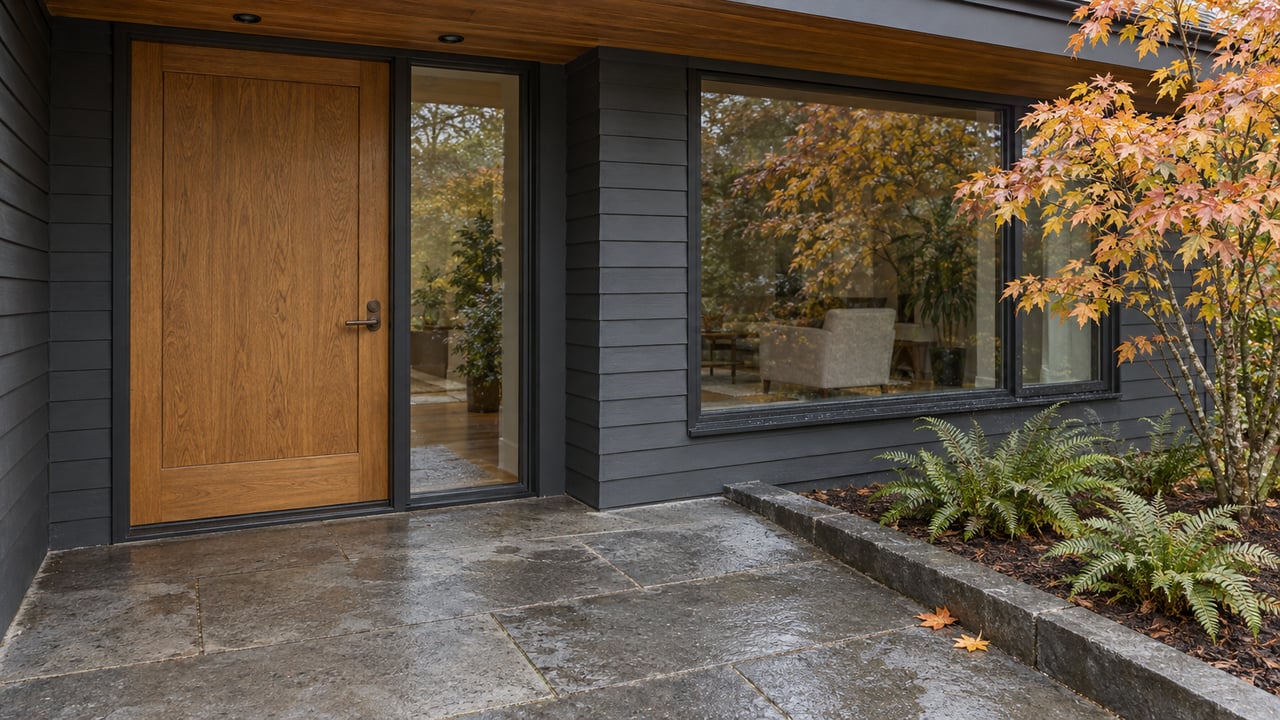
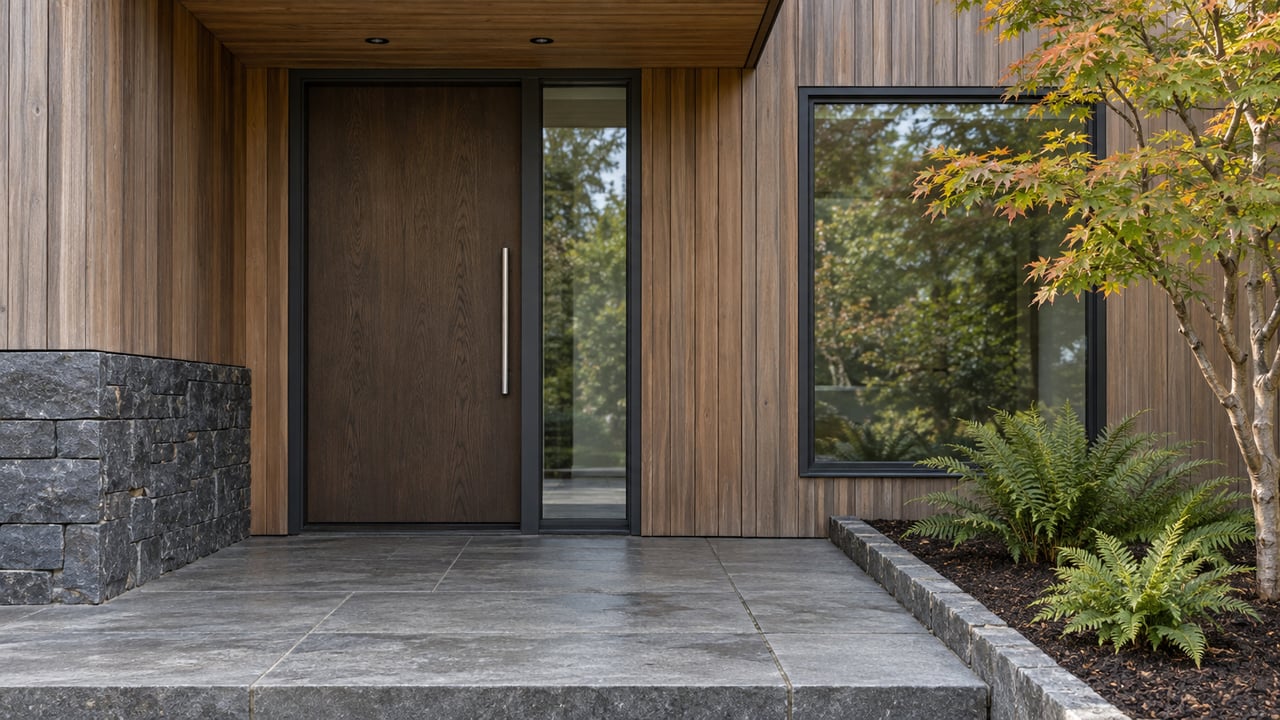
In practical terms, that often means open floor plans, expansive windows, and a restrained material palette. Wood, stone, glass, plaster, and metal are commonly used in ways that feel warm rather than stark.
This style also suits many of West Bellevue’s premium lots. On waterfront, view, or wooded properties, Northwest contemporary design can frame the setting without overpowering it.
Key features of Northwest contemporary homes
- Large expanses of glass
- Open living spaces with minimal ornamentation
- Warm natural materials such as cedar, stone, and wood
- Layouts oriented toward daylight, privacy, and views
- Strong indoor-outdoor connection through terraces and outdoor living areas
In West Bellevue, that indoor-outdoor connection is especially important. Homes often use windows, skylights, decks, and terraces to pull in lake views, tree canopy, or shifting natural light throughout the day.
Why the style works so well here
Northwest contemporary architecture feels site-specific, which is a major part of its long-term appeal. It does not rely on heavy decoration or a rigid formula. Instead, it adapts to slope, sun exposure, privacy needs, and the surrounding landscape.
That flexibility makes it a strong match for lots near the water, on quiet residential streets, or tucked into mature greenery. In a market like West Bellevue, where setting matters as much as structure, that is a powerful advantage.
Modern farmhouse often appears as transitional design
Another style you will see throughout West Bellevue is modern farmhouse, especially in newer construction and major renovations. The look feels current and approachable, which helps explain its popularity in the luxury market.
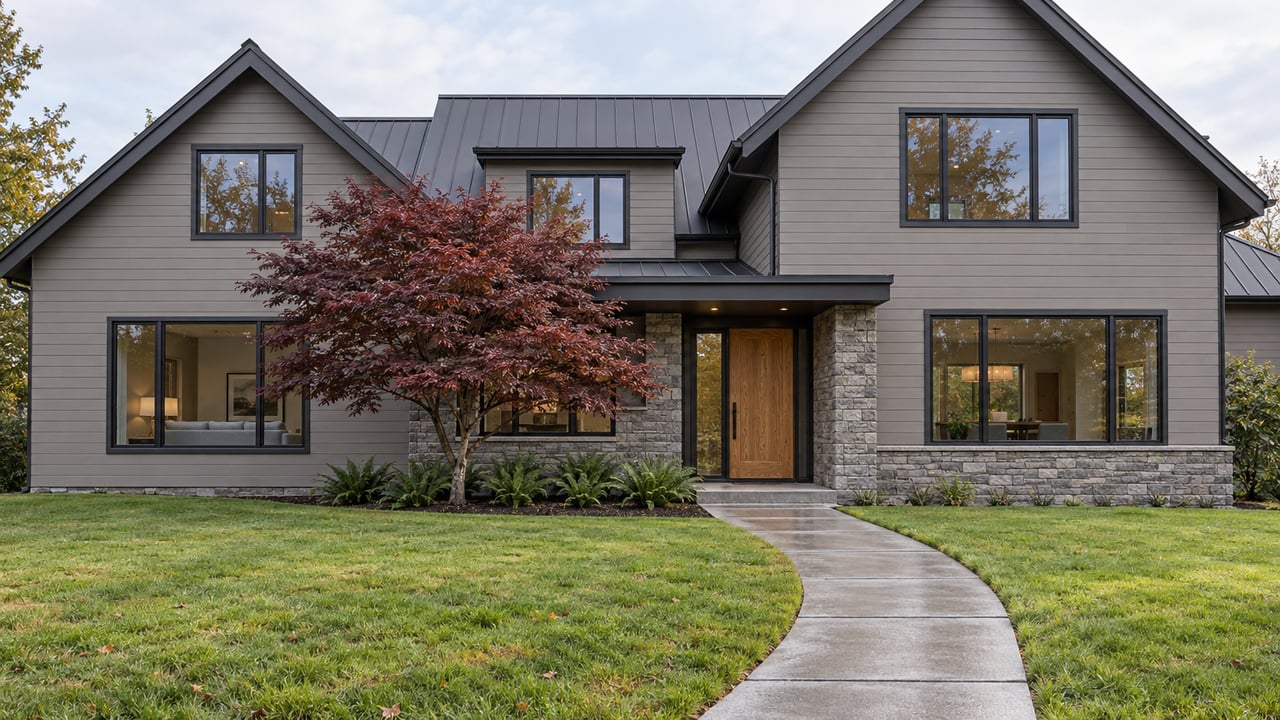
Typical features include clean lines, white or neutral exteriors, dark window trim, large windows, and open interior layouts. Many homes also include vaulted ceilings, taller ceiling volumes, and wide openings to patios or outdoor living spaces.
In West Bellevue, though, many of these homes are better understood as transitional rather than pure farmhouse. They often blend farmhouse cues with more contemporary planning, refined materials, and a cleaner overall profile.
Common features in modern farmhouse and transitional homes
- White or soft neutral exterior palettes
- Black or dark-framed windows
- Open kitchens and living spaces
- Vaulted ceilings or generous ceiling height
- Sliding glass doors and easy patio access
- A blend of rustic and contemporary materials
This hybrid style works well for buyers who want warmth and familiarity without sacrificing modern function. It also fits the local pattern of rebuilding and remodeling, where homeowners want a fresh look that still feels livable and grounded.
Why transitional homes resonate in West Bellevue
West Bellevue luxury buyers often want homes that feel polished but not overly formal. Transitional design answers that demand by combining clean modern flow with softer materials and more traditional comfort.
That balance is a good fit for established neighborhoods where a home may need to feel updated without appearing disconnected from its surroundings. It also supports the lifestyle priorities that matter here, including light, openness, and smooth movement between indoor and outdoor spaces.
Traditional and revival styles still hold value
Not every defining home in West Bellevue is contemporary. Classic traditional and heritage revival styles remain an important part of the area’s architectural identity, especially in older neighborhoods and on long-held properties.
Traditional architecture is best seen as a broad umbrella. It can include simple classic forms, modest ornamentation, symmetrical facades, formal entries, covered porches, and references to Colonial, Tudor, Cape Cod, or Mission Revival design.
West Bellevue has real historical depth, and that is reflected in landmark properties like the 1929 Winters House on Bellevue Way by Mercer Slough, which is identified as Mission Revival. This kind of architectural continuity helps explain why traditional homes still feel relevant in the market.
Hallmarks of traditional homes in West Bellevue
- Symmetrical or balanced front elevations
- More formal entry compositions
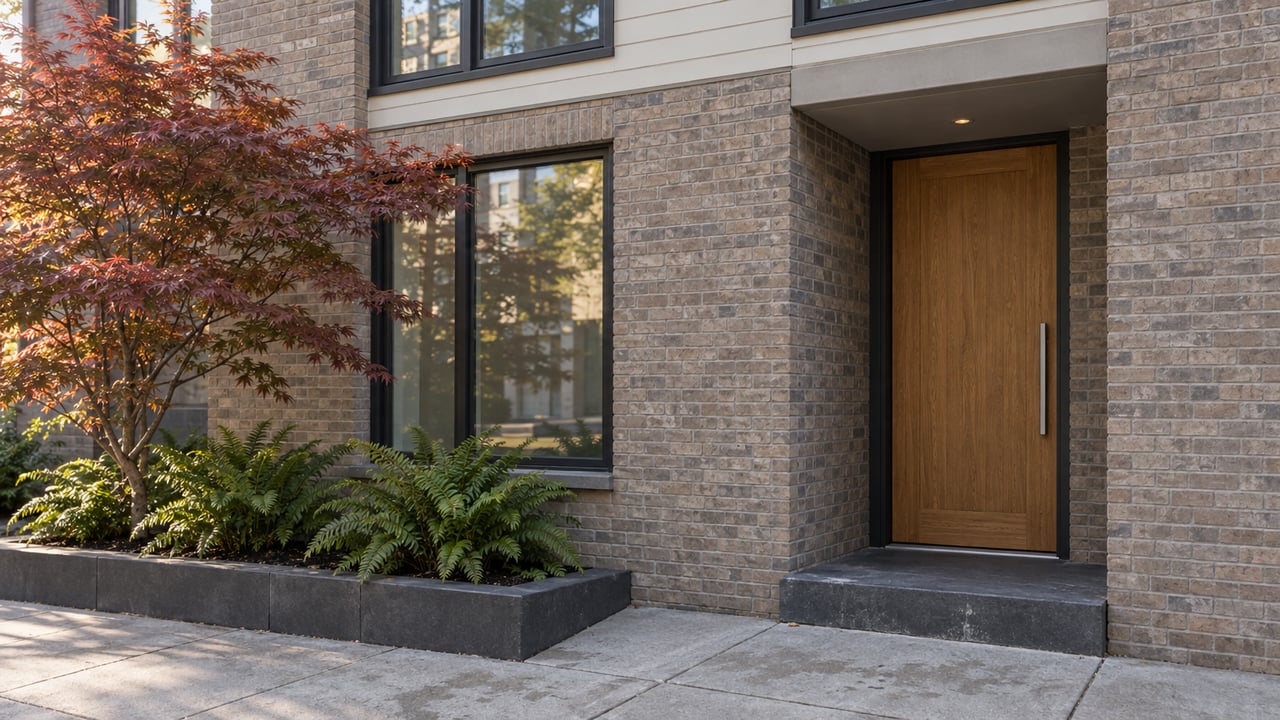
- Brick, stone, or stucco exteriors
- Covered porches, stoops, or classic detailing
- Revival references drawn from established historic styles
Many of these homes have evolved over time. While the exterior may preserve traditional proportions or materials, interiors are often updated for today’s living with more open layouts, refreshed kitchens, and modern finishes.
Why traditional homes endure
Traditional homes often hold their appeal because they are easy to read visually. Clear proportions, familiar forms, and durable materials create a sense of permanence that many luxury buyers still value.
In West Bellevue, that appeal is strengthened when a home also respects its lot and neighborhood context. A traditional exterior paired with thoughtful modernization can offer both character and comfort.
Site planning shapes luxury value
In West Bellevue, architectural style is only part of the story. Site planning often has just as much influence on how a luxury home lives and how it is perceived in the market.
Bellevue policy emphasizes retaining significant trees, preserving residential and arboreal character, and enhancing access to waterfronts and parks. That means the best homes typically respond carefully to their lots rather than treating the site as an afterthought.
What site-sensitive design looks like
- Window placement shaped by water, slope, or tree-canopy views
- South or southwest exposure used to increase brightness and comfort
- Sliding doors, patios, and decks that extend living areas outdoors
- Privacy-conscious massing on wooded or exposed lots
- Layouts that connect key rooms to daylight and exterior space
These details show up across styles. A Northwest contemporary home may use broad glazing and terraces, while a transitional home may rely on wall-to-wall sliders and covered outdoor rooms.
Either way, the shared goal is clear: make the home feel connected to the land, light, and landscape. In West Bellevue, that connection is often what separates a well-designed luxury property from one that simply has expensive finishes.
What gives these styles lasting appeal
The strongest West Bellevue homes tend to feel rooted in place rather than driven by short-term trends. That is true whether the home leans contemporary, transitional, or traditional.
Over time, buyers continue to respond to the same core qualities. They want natural light, privacy, strong indoor-outdoor livability, and a design that makes the most of the setting.
That is why architecture here is ultimately about lifestyle fit. A home that captures southern light, frames a lake view, preserves privacy, and respects the neighborhood often has broader and more lasting appeal than one that simply follows a design trend.
For sellers, this can shape how a property should be positioned in the market. For buyers, it can help you look past labels and focus on the characteristics that tend to matter most over time.
Reading West Bellevue homes with a sharper eye
If you are evaluating luxury homes in West Bellevue, it helps to look beyond the listing shorthand. Terms like contemporary, farmhouse, or traditional are useful, but they do not always tell the full story.
Instead, pay attention to how the house meets the site. Does it bring in light thoughtfully? Does it create privacy without feeling closed off? Does it connect naturally to terraces, decks, or the landscape?
You should also consider how the architecture fits the broader neighborhood setting. In an established area known for wooded streets, waterfront edges, and single-family character, design choices that feel contextual often age better than those that fight the setting.
That local perspective is especially useful in a market where remodeled legacy homes, custom builds, and redevelopment opportunities often exist side by side. Knowing what defines enduring design can help you make a more confident decision.
Whether you are preparing a luxury home for sale, searching for a property with architectural staying power, or weighing the potential of a remodel or rebuild, local context matters. For tailored guidance on West Bellevue luxury homes, waterfront properties, and new-construction opportunities, connect with Whittlesey Properties.
FAQs
What architectural style is most common in West Bellevue luxury homes?
- Northwest contemporary is one of the strongest regional fits, but West Bellevue also includes many transitional, modern farmhouse-influenced, and traditional or revival-style luxury homes.
What defines Northwest contemporary architecture in West Bellevue?
- Northwest contemporary homes in West Bellevue usually feature open layouts, large windows, natural materials like wood and stone, minimal ornamentation, and strong connections to light, views, and outdoor space.
Why do modern farmhouse homes appear in West Bellevue?
- Modern farmhouse features such as clean lines, dark window trim, open interiors, and large indoor-outdoor openings feel current and livable, which makes the style popular in new construction and major remodels.
Are older traditional homes still desirable in West Bellevue?
- Yes. Traditional and revival-style homes remain relevant because of their clear proportions, durable materials, and long-standing relationship to the area’s historic neighborhood character.
How does lot orientation affect luxury home design in West Bellevue?
- Lot orientation can shape daylight, privacy, views, and indoor-outdoor flow, which is why south or southwest exposure, careful window placement, and privacy-sensitive massing are so important in West Bellevue.
What should buyers look for beyond the architectural label in West Bellevue?
- You should look at how the home responds to its site, including light, privacy, landscape connection, room layout, and how well the design fits the established neighborhood setting.